Climate Justice & Action
Mission Uganda's climate justice work recognizes that communities least responsible for climate change, especially rural women and smallholder farmers, are the most affected. Our interventions combine climate adaptation, gender equity and livelihood resilience.
Key Stakeholders We Work With
Climate action succeeds when everyone is at the table. We collaborate across all levels of the community.
Key Interventions
Eight interconnected areas of work, from policy advocacy to youth-led green innovation.
Climate Policy Advocacy & Accountability
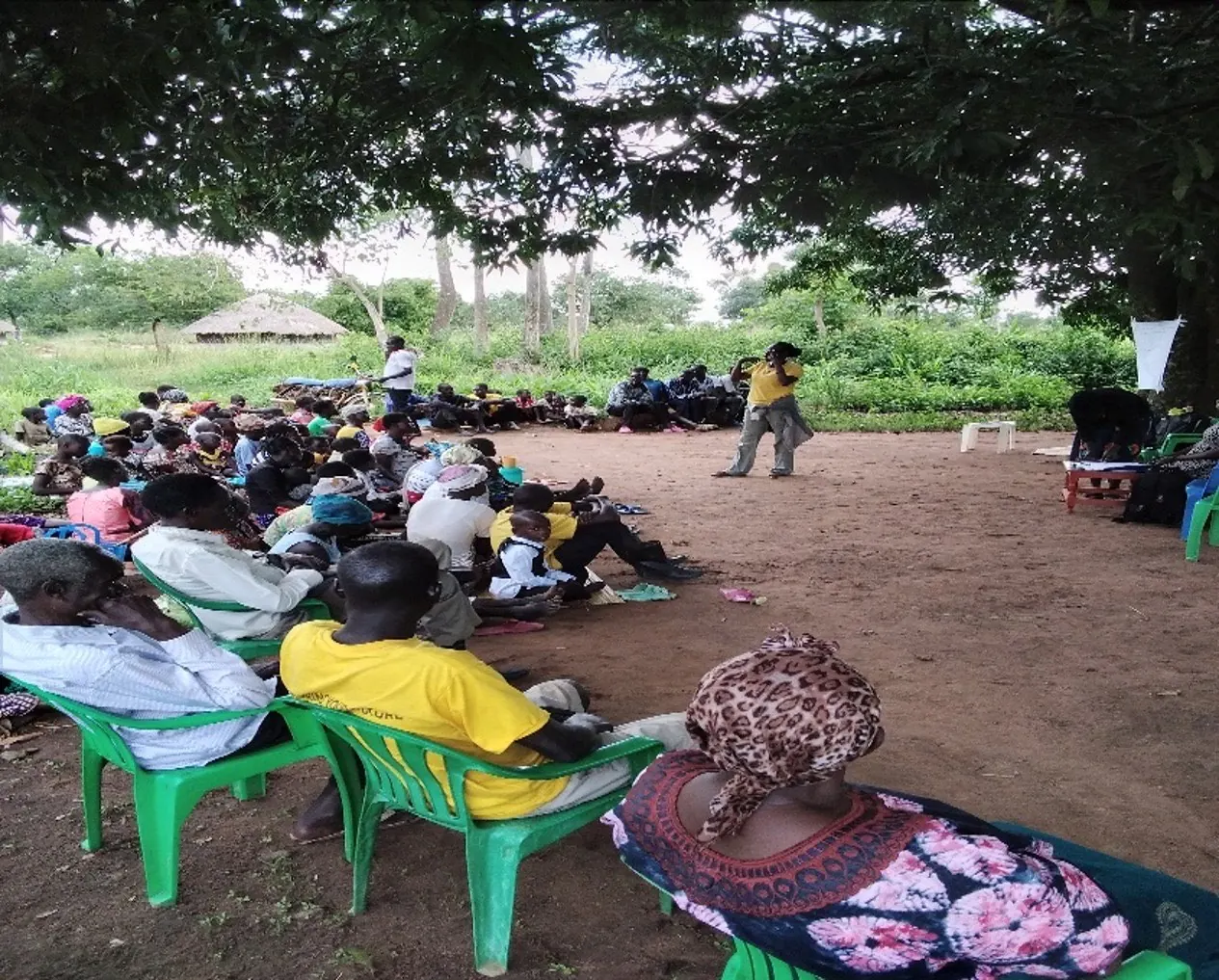
- Community dialogues on climate rights and responsibilities
- Civil society engagement in district climate planning
- Advocating for protection of vulnerable groups in climate policies
- Supporting communities to raise voices on land, water and environmental rights
Climate Education & Behaviour Change
Enhancing long-term environmental responsibility through:
- Community sensitization on climate change and local impacts
- Promoting waste reduction and plastic alternatives
- Encouraging energy-saving practices at household level
- School curricula integration on environment and climate
Community Climate Adaptation
Supporting vulnerable communities to adjust to climate impacts they are already facing:
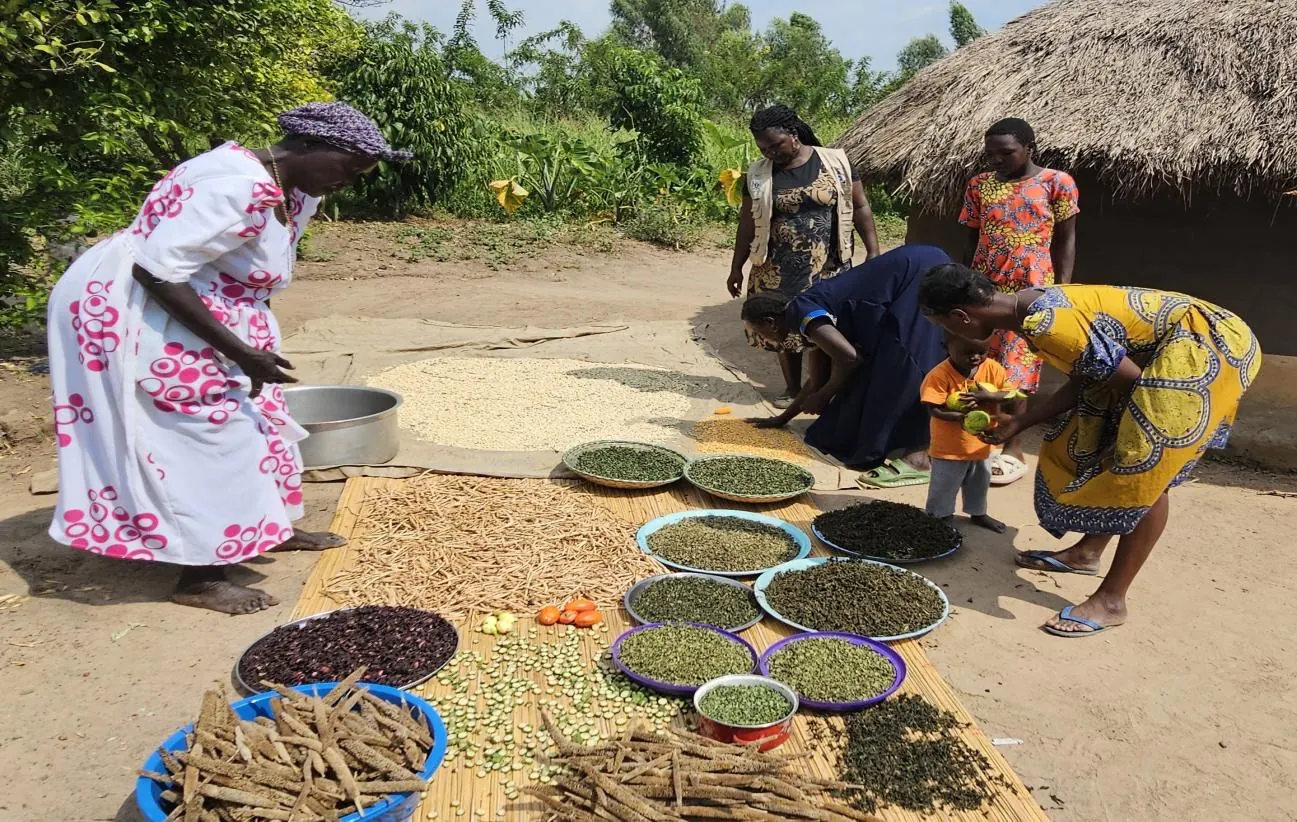
- Climate-smart agriculture (drought-resistant crops, early-maturing seeds)
- Soil and water conservation training (mulching, contour farming, agroforestry)
- Rainwater harvesting systems for households and schools
- Small-scale irrigation schemes for dry seasons
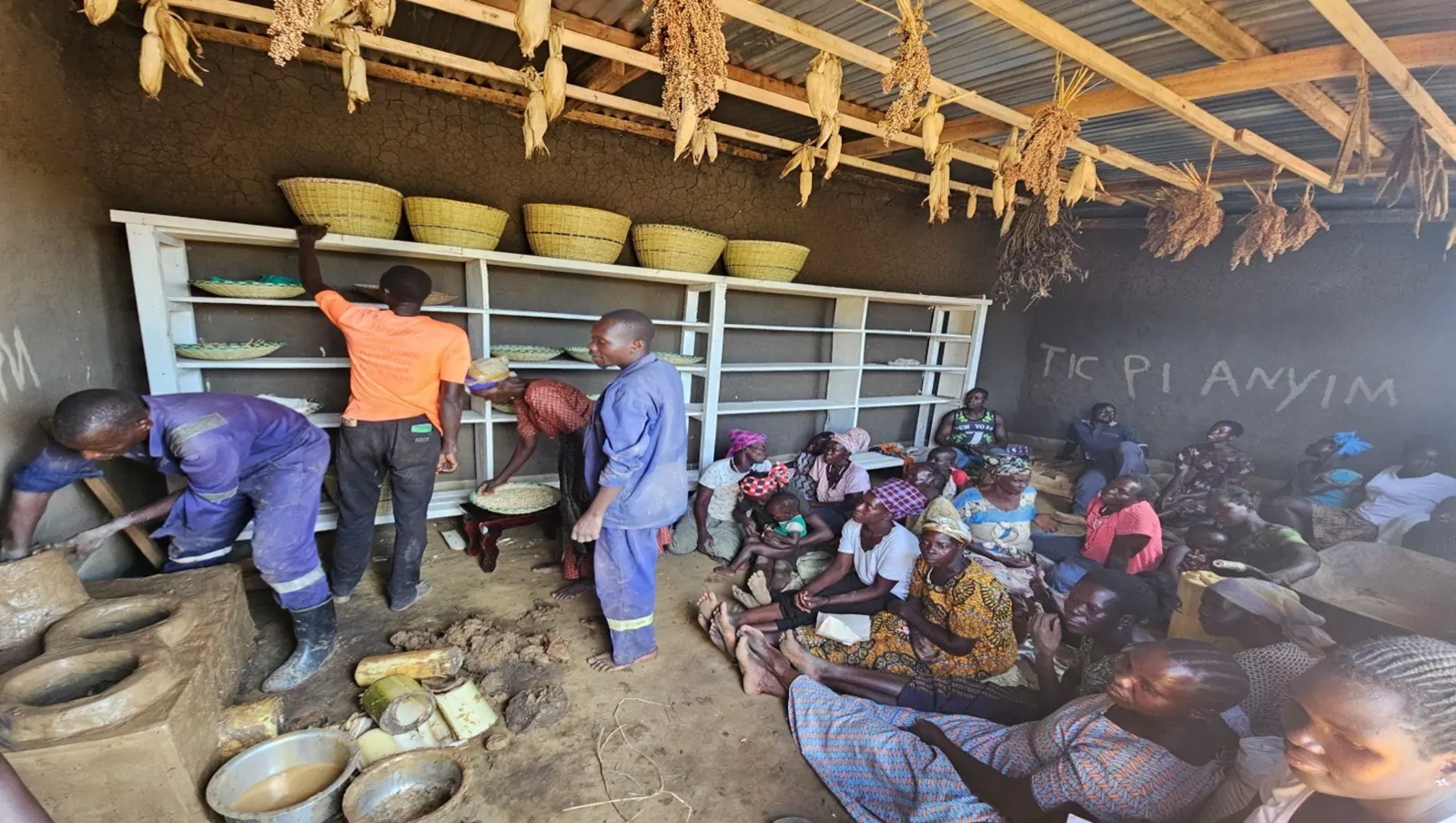
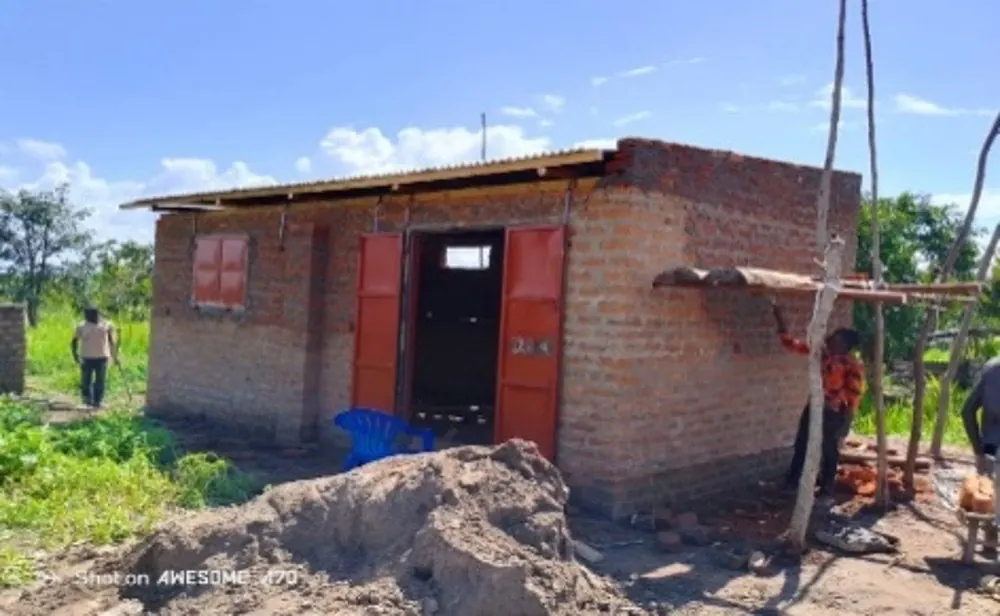
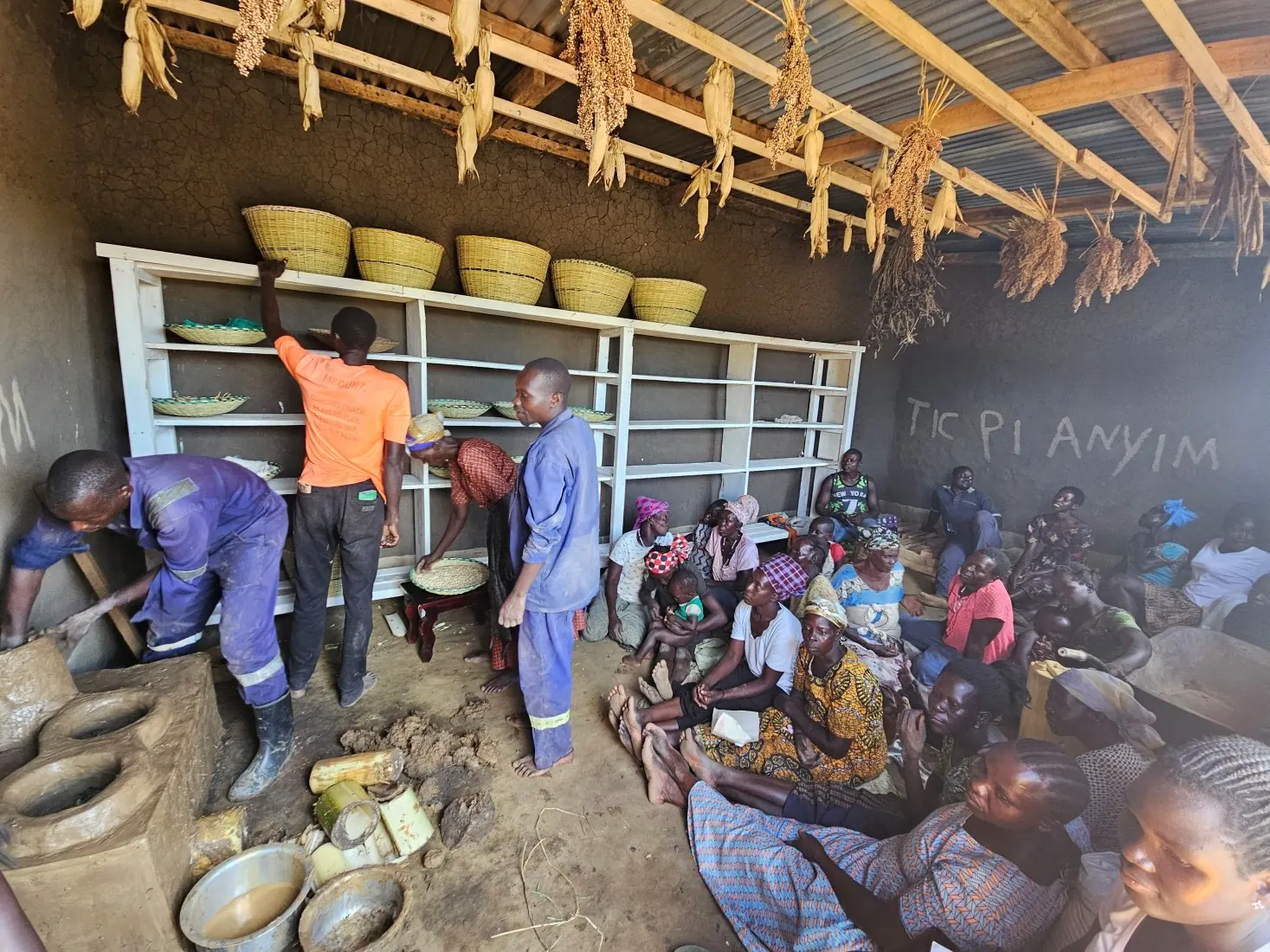
- Community grain/seed banks for food security during climate shocks
Sustainable Livelihoods & Green Jobs
Ensuring climate action also creates income opportunities:
- Training youth and women in renewable energy businesses (solar installation, maintenance)
- Support for energy-saving cookstove enterprises
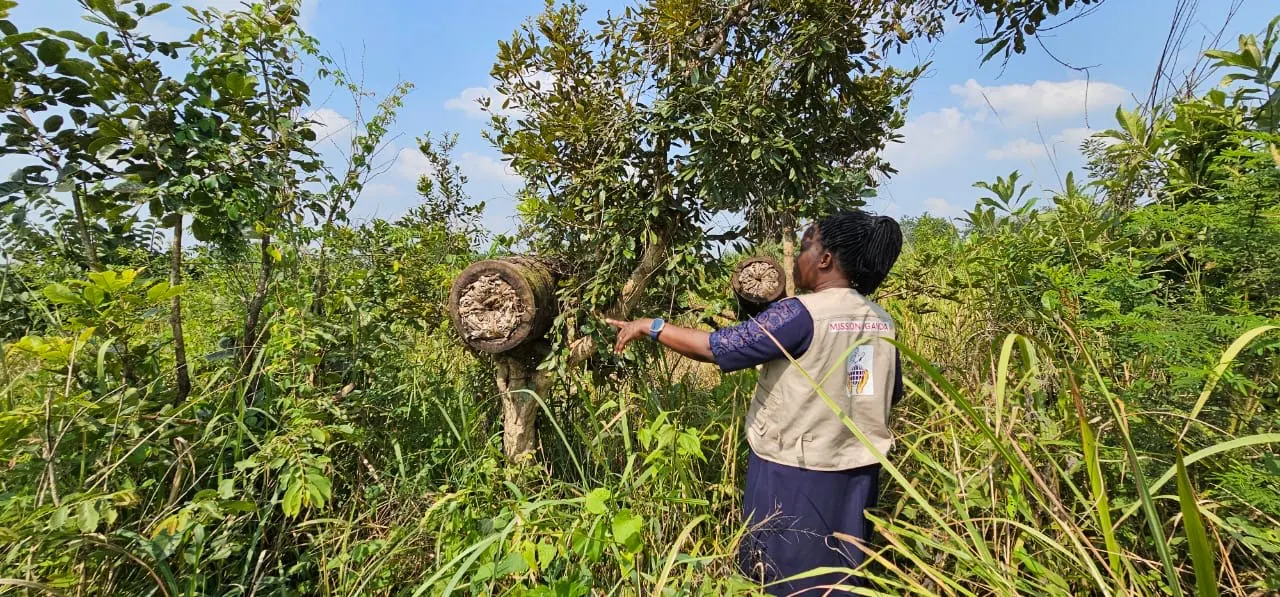
- Beekeeping, tree nurseries and eco-friendly businesses
- Skills training in waste recycling and composting
- Supporting women's groups in climate-resilient value chains
Renewable Energy Access
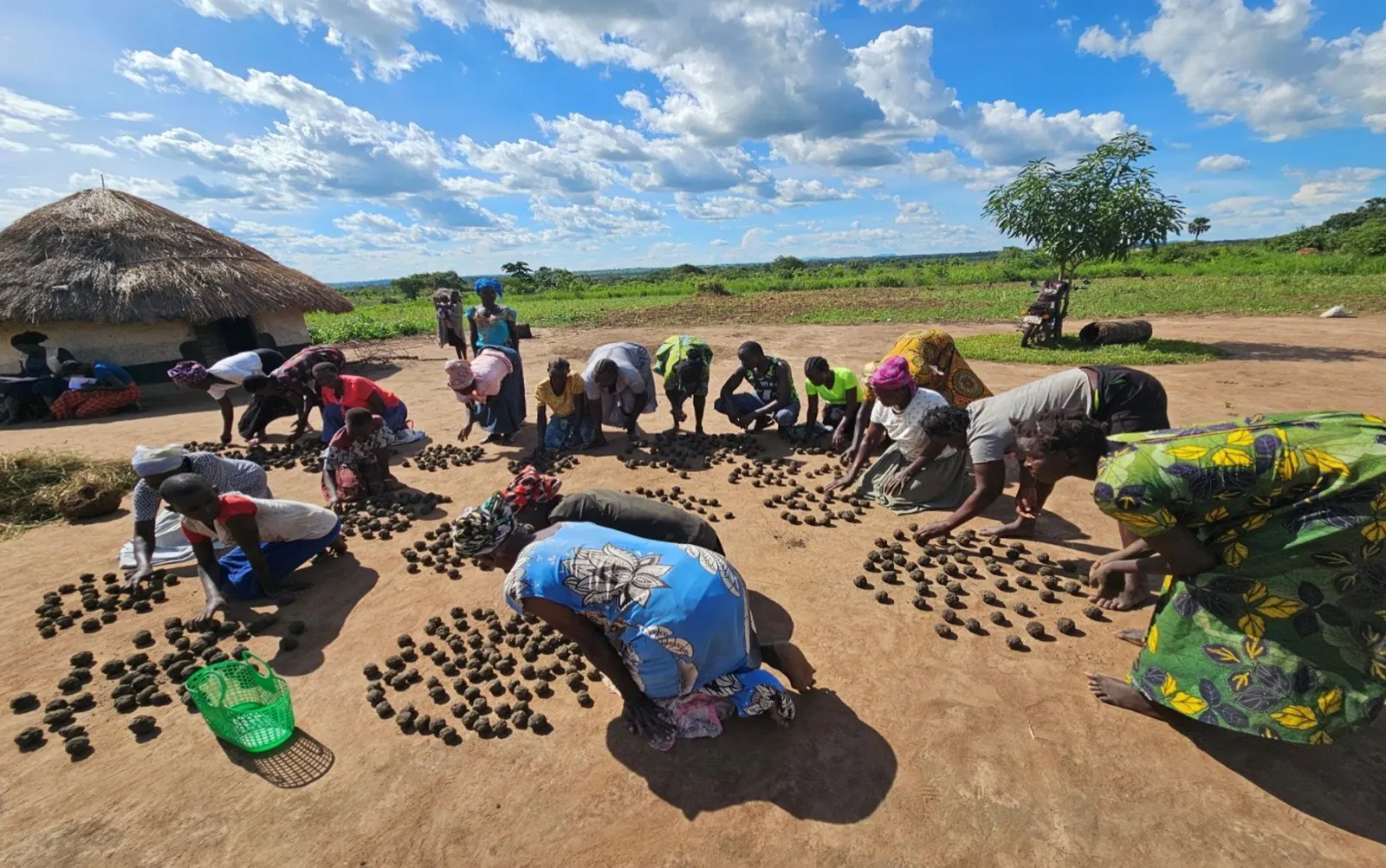
Providing clean and affordable energy for underserved communities using locally available resources: clean cooking solutions (LPG, biogas, improved cookstoves) as well as briquettes.
Natural Resource Protection & Restoration
Protecting the ecosystems that poor communities depend on:
- Community-led tree planting and reforestation
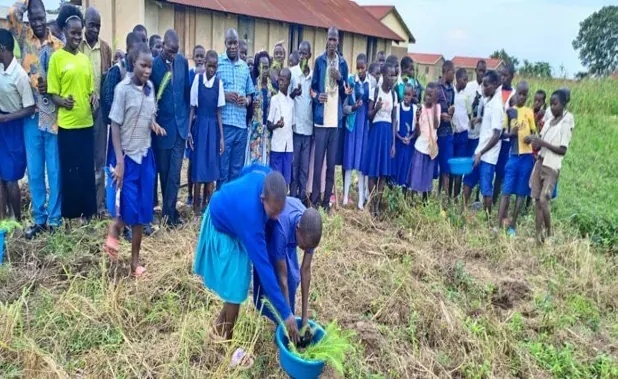
- Wetland and riverbank restoration: planting bamboo along riverbanks for wetland preservation and restoration
- Preventing illegal charcoal burning through alternative livelihoods
Gender-Responsive Climate Action
Women and girls face higher climate burdens. We address this through:
- Women's leadership in climate committees
- Reducing time spent collecting firewood through clean energy
- Supporting women farmers with climate-resilient inputs
- Addressing GBV risks linked to resource scarcity (e.g. long water collection journeys)
Youth Engagement in Climate Action
Empowering young people as climate leaders in schools, communities, churches and clan meetings:
- School climate clubs and environmental education
- Youth-led tree planting and clean-up campaigns
- Training youth as climate advocates and peer educators
- Innovation challenges for youth-led green solutions
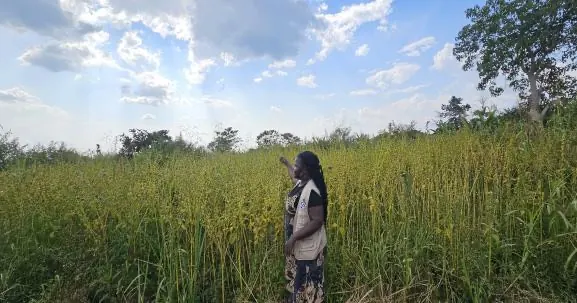
Climate Action in the Field

Climate Justice Outcomes
Strengthened district, sub-county and community systems in enhancing collective participation in climate change.
Increased community awareness on climate protection for sustainable environmental protection.
Increased integration of climate adaptation and mitigation measures, solutions and practices on climate protection.
Reduced environmental degradation through sustainable farming methods.
Join Us in Building Climate-Resilient Communities
Partner with us, volunteer, or support a climate justice initiative in Northern Uganda.